Key Takeaways
- Muhurat is rooted in Vedic astronomy and aligns human actions with favorable cosmic energy patterns for better outcomes.
- The Choghadiya system divides each day into 14 periods (7 day, 7 night), each carrying a specific quality like Amrit, Shubh, or Labh.
- Rahu Kaal is a daily 90-minute inauspicious window that should be avoided for starting any new venture or important activity.
- Muhurat selection is used across all major Hindu life events including weddings, housewarming, business launches, and religious ceremonies.
- Modern tools like Aaj Ka Choghadiya have democratized access to Muhurat information, making it available to anyone regardless of location.

1The Vedic Foundation of Muhurat

Did You Know?
The word "Muhurta" comes from Sanskrit and refers to a unit of time lasting approximately 48 minutes. Ancient Vedic scholars divided each day and night into 30 Muhurtas, resulting in a sophisticated 5,000-year-old timing system that is still used by millions today.
| Muhurat System | Region | Division | Primary Use |
|---|---|---|---|
| Choghadiya | Gujarat, Rajasthan | 14 periods/day | Daily activities, quick decisions |
| Hora | Pan-India | 24 hours/day | Planetary hour guidance |
| Panchang | Pan-India | 5 elements/day | Detailed ceremony planning |
| Nakshatra | Pan-India | 27 lunar mansions | Agriculture, major events |
| Panjika | Bengal, Eastern India | Daily almanac | Regional rituals, festivals |
Muhurat in Daily Life and Business

Pro Tip
For the best results, always check Choghadiya for your specific city. Since Muhurat timings depend on local sunrise and sunset, the same moment can fall under different Choghadiya periods in different locations. Use Aaj Ka Choghadiya for location-accurate timings.
3How Choghadiya Simplifies Muhurat Selection

| Choghadiya | Quality | Meaning | Best For |
|---|---|---|---|
| Amrit | Most Auspicious | Nectar | All important activities, puja, ceremonies |
| Shubh | Auspicious | Auspicious | New ventures, rituals, weddings |
| Labh | Good | Gain/Profit | Financial matters, purchases, investments |
| Char | Neutral | Movement | Travel, journeys, routine tasks |
| Rog | Inauspicious | Disease | Avoid starting new activities |
| Kaal | Inauspicious | Death | Avoid important decisions |
| Udveg | Inauspicious | Anxiety | Avoid major commitments |


Muhurat for Major Life Events
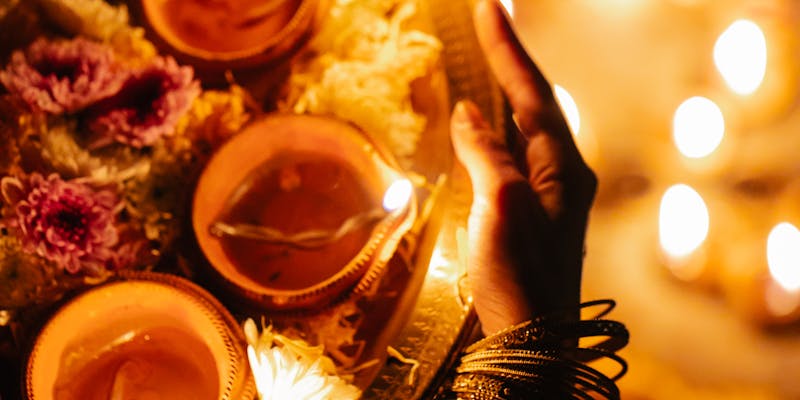
Key Life Events Requiring Muhurat
Vivah (Wedding), Griha Pravesh (Housewarming), Namkaran (Naming Ceremony), Annaprashan (First Solid Food), Upanayana (Sacred Thread Ceremony), Mundan (First Haircut), Business Inauguration, Vehicle Purchase, and Property Registration.
Frequently Asked Questions
Everything you need to know
What happens if you miss a good Muhurat?
If you miss the ideal Muhurat, you can look for the next available auspicious window using the Choghadiya or Panchang. While the best Muhurat may have passed, there are multiple favorable periods throughout each day, so it is always possible to find an alternative time that still carries positive cosmic energy.
Is Muhurat selection scientific?
Muhurat selection is based on astronomical observations of planetary positions and lunar cycles. Research in chronobiology has shown that timing can affect biological and behavioral outcomes, and the lunar cycle demonstrably impacts tides, agriculture, and human mood. While not fully validated by modern science, the underlying principles align with observable natural phenomena.
How is Muhurat different from a horoscope?
A horoscope is a birth chart that maps planetary positions at the time of a person's birth and is used for life predictions. Muhurat, on the other hand, is about selecting the best future time to perform a specific action. While both use Vedic astrology, horoscopes analyze the past and Muhurat plans for the future.
Can I check Muhurat for any city in India?
Yes, Muhurat timings vary by geographic location because they depend on local sunrise and sunset times. Tools like Aaj Ka Choghadiya calculate Choghadiya periods based on your specific city, ensuring accurate and location-aware auspicious timings for wherever you are.
What is the difference between Choghadiya and Panchang?
Panchang is the comprehensive Hindu calendar that includes Tithi, Nakshatra, Yoga, Karana, and Var for each day. Choghadiya is a simpler subset that divides the day and night into seven periods each, making it easier for quick daily decisions. Panchang is used for detailed Muhurat calculations while Choghadiya provides at-a-glance guidance.
Do all Hindu communities follow the same Muhurat system?
While the core principles of Muhurat are consistent across Hindu traditions, regional variations exist. Gujarat and Rajasthan predominantly use the Choghadiya system, while South Indian communities often rely more on the Hora and Panchang systems. Bengali traditions follow the Panjika. Despite these differences, all systems aim to identify the most auspicious timing for important activities.
Check Today's Choghadiya
Accurate timings for 5000+ cities
Related Posts
Wedding Muhurat Guide: How to Choose the Perfect Vivah Muhurat
Learn how to select the best wedding muhurat for your marriage. Understand Vivah muhurat significance, auspicious months, and planetary considerations for a blessed union.
Griha Pravesh Muhurat: Best Times for Your Housewarming Ceremony
Complete guide to selecting the best Griha Pravesh muhurat. Learn about Vastu considerations, auspicious months, and rituals for moving into your new home.
Navratri Auspicious Timings: Guide to Nine Nights of Worship
Discover the auspicious timings for each day of Navratri. Learn about Garba and Dandiya muhurat, Durga Puja timings, and how to maximize spiritual benefits during this sacred festival.